Applied Kinesiology

Applied Kinesiology at Kabari Wellness Institute

Listening to the Body. Understanding Function. Connecting the Pieces.
 
At Kabari Wellness Institute, we believe effective healthcare begins with understanding the whole person—not simply identifying a symptom and attempting to suppress it.
 
Applied Kinesiology (AK) is one of the clinical tools we may integrate into our comprehensive approach to evaluating musculoskeletal and neuromuscular function. It uses specific forms of manual muscle testing together with the patient’s history, physical examination, orthopedic and neurological assessment, laboratory findings when appropriate, and other clinical information.
 
Our goal is not to choose between natural healthcare and conventional medicine.
 
Our goal is to bridge the gap.
 
We combine the principles of chiropractic care, holistic functional medicine, nutrition, movement, rehabilitation, and appropriate conventional diagnostic information to develop a more complete picture of the individual.
 
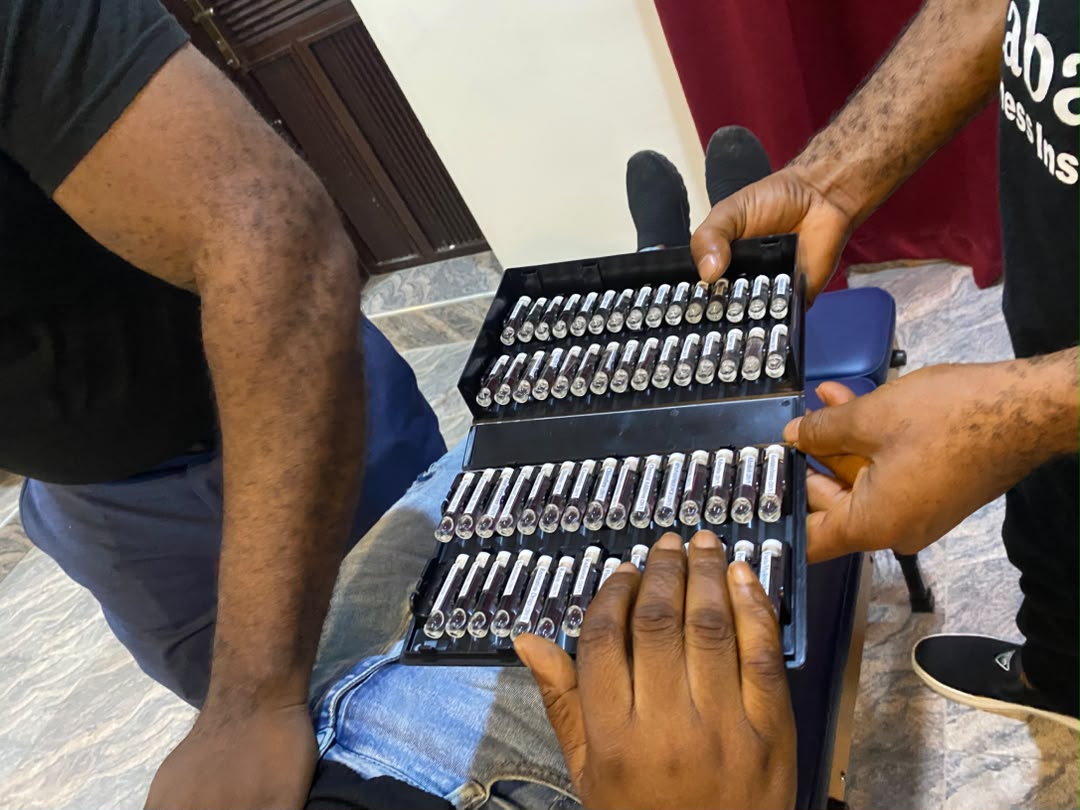
IMG_2162

What Is Applied Kinesiology?

Applied Kinesiology is an interdisciplinary clinical assessment system developed from the work of chiropractor Dr. George J. Goodheart Jr. in 1964. It incorporates manual muscle testing with other examination procedures to evaluate aspects of neuromuscular function. (ICAK)
 
Professional Applied Kinesiology should not be confused with simply asking whether a muscle is “strong” or “weak.”
 
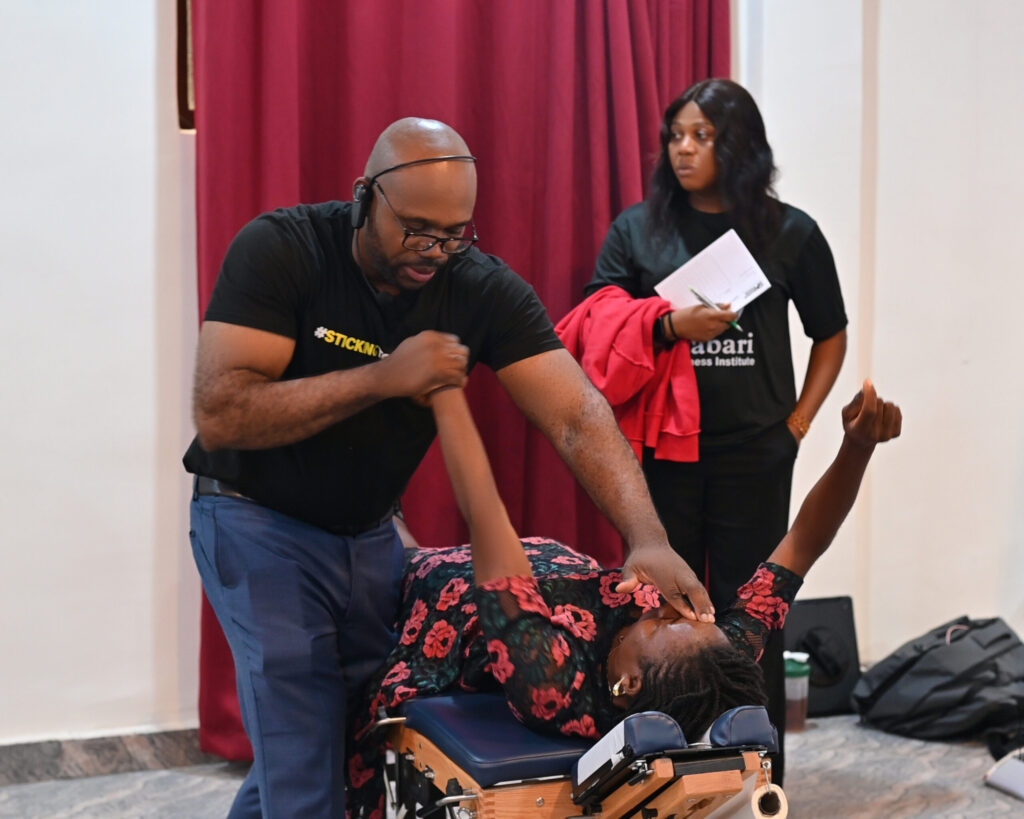
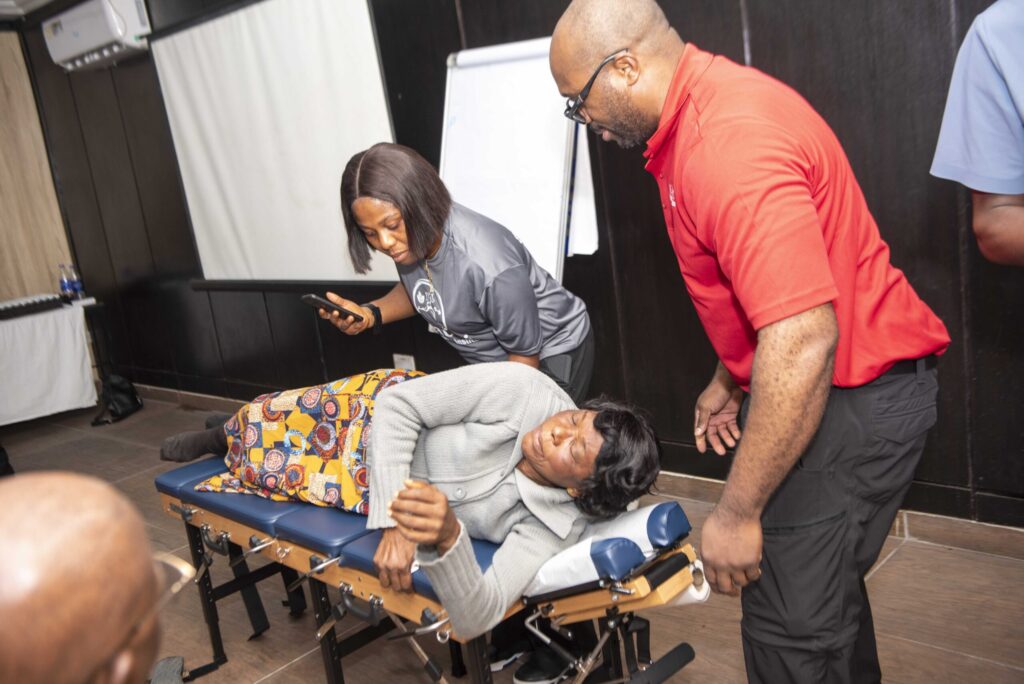
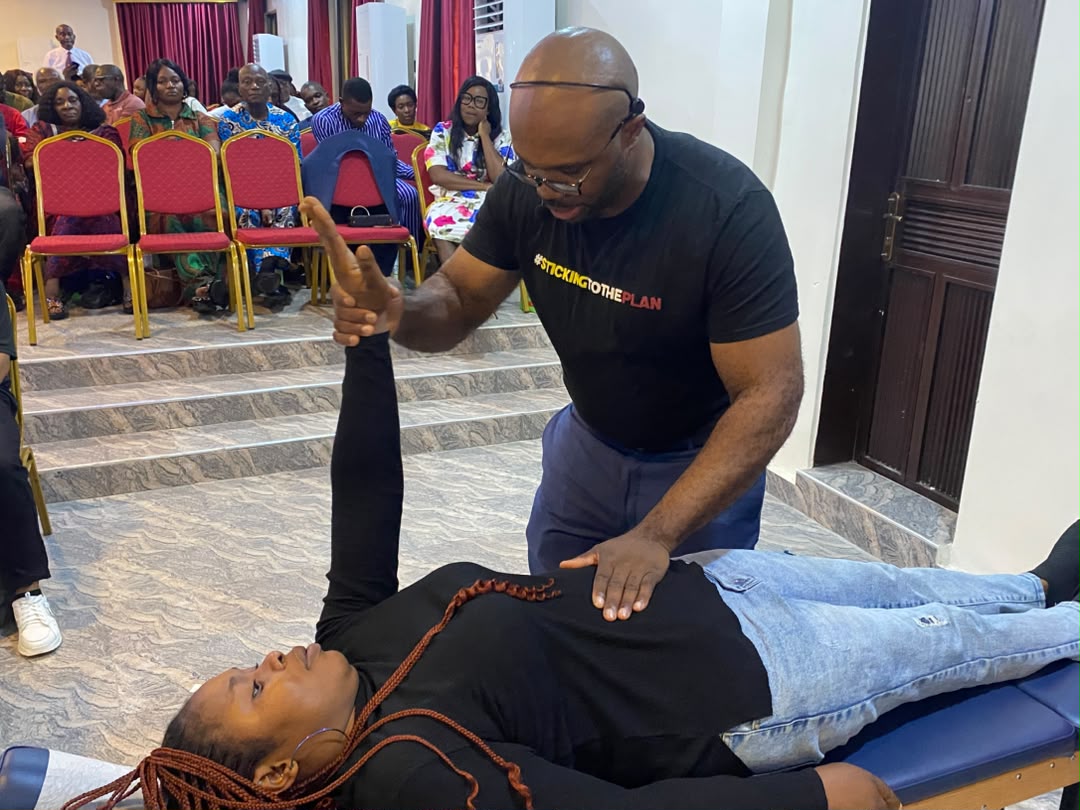
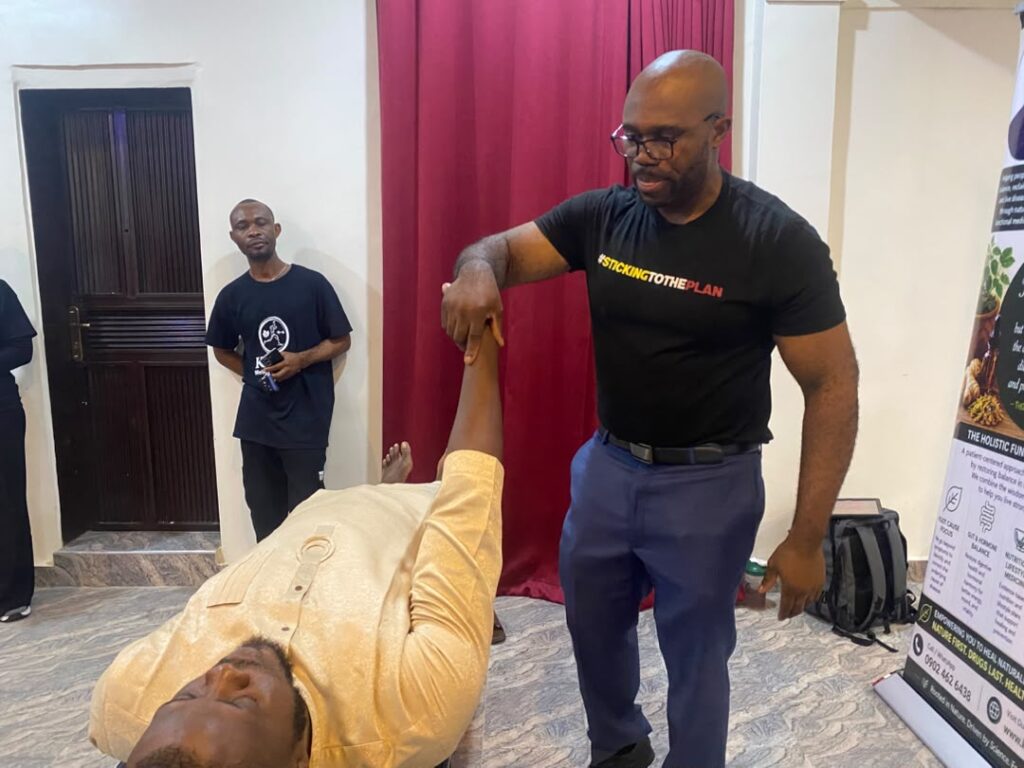
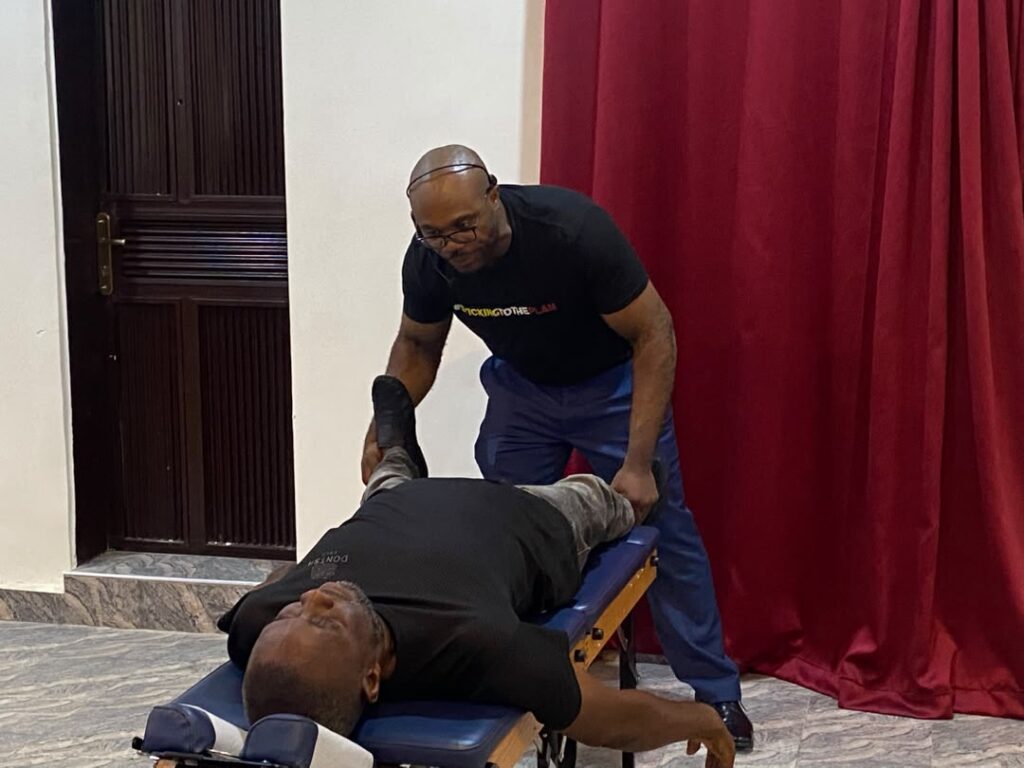
During a manual muscle test, a practitioner positions a particular muscle or muscle group and applies controlled resistance while observing the patient’s ability to maintain the position. Position, direction of force, timing, stabilization and technique can all influence the result. (ICAK)
 
The International College of Applied Kinesiology describes professional AK as being used alongside standard diagnostic methods, including patient history, physical examination, laboratory testing and other appropriate clinical procedures. (ICAK)
 
That distinction is important to how we approach Applied Kinesiology at Kabari Wellness Institute.

The Kabari Wellness Difference

We Don’t Treat a Muscle Test as a Diagnosis
 
A muscle response is information not a stand-alone medical diagnosis.
 
At Kabari Wellness Institute, Applied Kinesiology findings are interpreted within the context of the patient’s overall clinical picture.
 
Depending upon the patient, that may include:
This is one of the most important ways we seek to bridge holistic functional healthcare with conventional medicine.
 

The Three-Sided Approach: Structure, Biochemistry and the Nervous System

Applied Kinesiology traditionally considers several interacting aspects of human function rather than looking at the body as a collection of unrelated parts.
At Kabari Wellness Institute, this fits naturally into our whole-person model.

1. Structural and Musculoskeletal Function

The body is an interconnected mechanical system.
 
The spine, joints, muscles, fascia and nervous system constantly work together to maintain posture, stability and movement.
 
When evaluating a patient, we may examine:
 
Muscle function → joint mobility → spinal mechanics → posture → movement patterns → neurological control.
 
For example, recurring shoulder discomfort may require us to look beyond the shoulder itself.
 
We may evaluate the cervical and thoracic spine, scapular mechanics, rotator-cuff function, posture, muscular coordination and movement patterns.
 
Similarly, recurring knee discomfort may warrant examination of the foot, ankle, hip, pelvis and lumbar spine.
 
The location of a symptom is not always the only location that needs to be evaluated.
 

2. Biochemical and Nutritional Health

Muscles and nerves do not function independently of the body’s chemistry.
 
Normal physiological function depends upon adequate nutrition, hydration, energy production, electrolyte balance, hormones, oxygen delivery and many other biochemical processes.
 
For appropriate patients, our broader functional medicine evaluation may therefore investigate areas such as:
 
Importantly, Applied Kinesiology should not replace validated laboratory testing for diagnosing nutritional deficiencies, allergies, infections, endocrine disease or other medical conditions.
 
The scientific evidence supporting ordinary manual muscle testing for certain neuromusculoskeletal assessments is different from the evidence supporting specialized AK claims about diagnosing internal disease. Reviews have cautioned that the reliability of standard orthopedic muscle testing should not automatically be interpreted as validation of AK for diagnosing organic disease. (PubMed Central (PMC))
 
At Kabari Wellness Institute, this distinction helps us integrate complementary assessment responsibly with objective testing.
 

3. Neurological Function

Every voluntary movement depends upon communication between the brain, spinal cord, peripheral nerves and muscles.
 
The nervous system continually receives sensory information, processes it and produces an appropriate motor response.
 
Manual muscle testing can therefore provide useful clinical information about aspects of the neuromuscular system when properly performed and interpreted.
 
We may combine those observations with neurological examination, reflexes, sensation, balance, coordination, movement assessment and other appropriate testing.
 
The question is not simply:
 
“Is this muscle strong?”
 
The more useful clinical question may be:
 
“How is this patient’s neuromuscular system functioning as part of the entire movement pattern?”

What Happens During an Applied Kinesiology Assessment?

Every examination is individualized.
 
Your practitioner may first discuss your primary concerns, medical history, injuries, medications, supplements, nutrition, exercise, sleep, stress and previous diagnostic findings.
 
A physical examination may then include posture, gait, joint mobility, range of motion, orthopedic and neurological testing and specific manual muscle tests.
 
The practitioner may compare findings before and after an appropriate clinical intervention.
 
The purpose is to gather additional functional information that can help determine an appropriate course of conservative care—or identify when additional investigation or referral is warranted.

Applied Kinesiology + Chiropractic Care

Applied Kinesiology integrates naturally with chiropractic examination because both disciplines place significant emphasis on the relationship among the:
 
Spine • Joints • Muscles • Movement • Nervous System
 
At Kabari Wellness Institute, findings may help guide decisions regarding:
Rather than simply asking “Where does it hurt?”, we want to understand:
 
“What functional factors may be contributing to why this area continues to become stressed?”
 

Applied Kinesiology + Holistic Functional Medicine

This is where the Kabari Wellness model becomes especially comprehensive.
 
Applied Kinesiology can contribute functional observations, while our holistic functional medicine approach expands the investigation into the patient’s overall physiology.
 
When clinically appropriate, we may evaluate areas such as:
 
Digestion → Nutrition → Metabolism → Hormonal function → Inflammation → Recovery → Sleep → Stress → Movement → Neuromuscular function
 
We then determine which findings warrant lifestyle intervention, nutritional support, additional testing, chiropractic or rehabilitative care, or collaboration with another healthcare professional.
 
The objective is not simply to chase symptoms.
 
We want to understand the person experiencing the symptoms.

Applied Kinesiology + Targeted Nutrition

Nutrition plays an essential role in normal physiology, but nutritional recommendations should be based on the total clinical picture.
 
At Kabari Wellness Institute, recommendations may incorporate dietary history, symptoms, medical history, medications, physical examination and, when appropriate, objective laboratory information.
 
Our philosophy is:
 
Test when appropriate. Assess carefully. Individualize intelligently. Reassess objectively.
 
We do not believe that one supplement, herb or diet is appropriate for everyone.

Applied Kinesiology + Muscle Reactivation and Corrective Exercise

 
Finding a dysfunctional movement pattern is only the beginning.
 
The next question is:
 
What do we do about it?
 
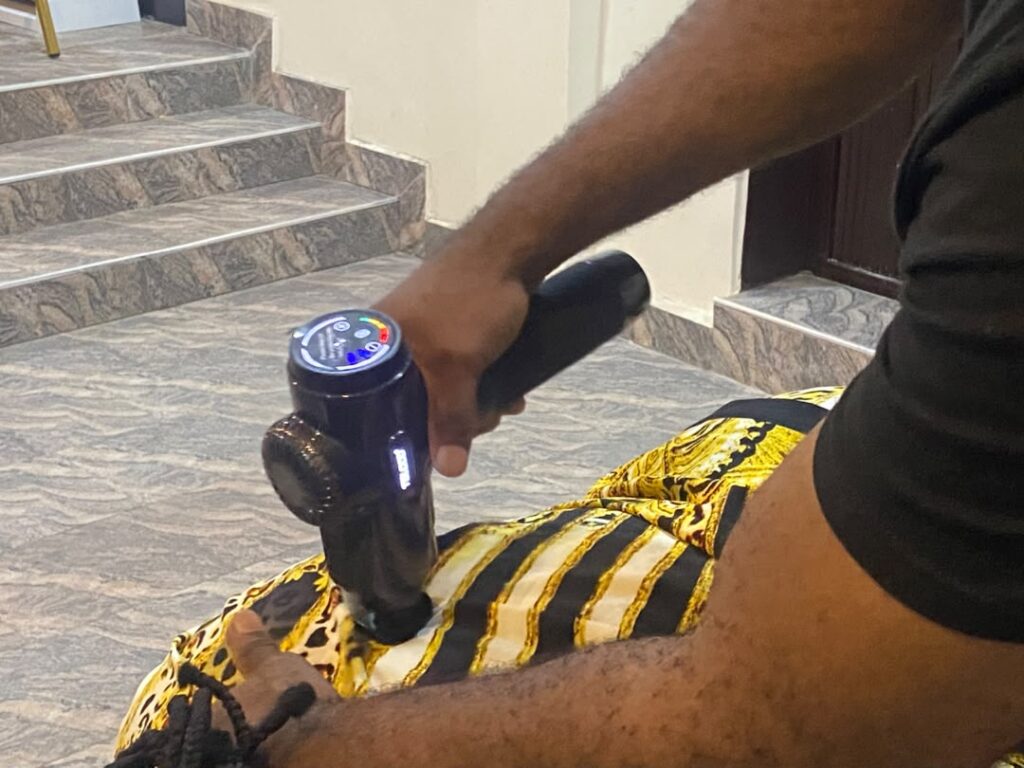
Depending upon the findings, care may incorporate muscle reactivation, corrective exercise, mobility work, stabilization exercises, chiropractic care, soft-tissue techniques and progressive strengthening.
 
Our objective is not simply to produce a temporary change on the treatment table.
 
We want to help the patient develop better movement, stability, coordination, resilience and long-term function.
 

Applied Kinesiology and Conventional Medicine

Bridging the Gap Instead of Choosing Sides
 
One of the fundamental principles of Kabari Wellness Institute is that healthcare should not become a competition between conventional medicine and holistic healthcare.
 
Both can contribute important information.
 
Conventional medicine can provide:
 
Laboratory diagnostics, imaging, pathology identification, medical diagnosis, pharmaceutical treatment, surgical intervention, emergency medicine and specialist care.
 
Integrative and functional approaches can add:
 
Detailed lifestyle assessment, nutrition, movement evaluation, conservative musculoskeletal care, rehabilitation, prevention strategies and attention to factors influencing long-term function.
 
Applied Kinesiology may add:
 
An additional hands-on method for evaluating aspects of neuromuscular and musculoskeletal function within the larger examination.
 
The greatest opportunity may come from connecting these perspectives rather than isolating them.

What Applied Kinesiology Should NOT Replace

At Kabari Wellness Institute, patient safety comes first.
 
Applied Kinesiology is not intended to replace appropriate:
Professional AK organizations themselves emphasize that AK should be used by appropriately licensed healthcare professionals and in conjunction with standard diagnostic procedures. (ICAK)
 
When your findings indicate that conventional medical investigation is necessary, we encourage appropriate referral and collaboration.
 
Integration means knowing when natural and conservative care can help—and knowing when medical investigation is essential.
 

Conditions and Concerns We May Evaluate

Because Applied Kinesiology is an assessment approach rather than a treatment for one particular disease, it may be incorporated into the evaluation of patients presenting with concerns such as:

The presence of any condition does not mean Applied Kinesiology can diagnose or cure it. The appropriate evaluation and treatment depend upon the individual patient’s history, examination and clinical findings.

For Athletes: From Strength to Neuromuscular Performance

An athlete can be extremely strong and still have movement dysfunction.
 
Performance requires more than maximum force.
 
It requires:
 
Mobility + Stability + Coordination + Timing + Neuromuscular control + Recovery
 
For athletes, Applied Kinesiology and manual muscle testing may be incorporated into a broader performance evaluation alongside movement assessment, chiropractic care, corrective exercise, recovery strategies and nutritional support.
 
Our goal is to help the athlete’s body move efficiently, recover appropriately and perform at its highest functional potential.
 

Our Philosophy: Nature First, Drug Last

At Kabari Wellness Institute, Nature First, Drug Last does not mean ignoring medicine.
 
It means respecting the body’s physiology and supporting the fundamentals of health while recognizing when conventional medical care is necessary.
 
We believe healthcare should ask more questions.
 
Not simply:
 
“What can we give you for this symptom?”
 
But also:
 
“Why is your body struggling in this area?”
 
“What does the examination show?”
 
“What objective testing is appropriate?”
 
“What can be corrected through movement, nutrition, lifestyle, rehabilitation or conservative care?”
 
“And when does this patient need conventional medical treatment or specialist evaluation?”
 
That is the bridge we are building.

The Kabari Wellness Institute Approach

Our model brings together:
All centered around one person:
 
YOU.
 
We don’t want to simply chase symptoms.
 
We want to understand structure, function, physiology, movement, nutrition, lifestyle and the individual patient standing in front of us.
 

Discover What Your Body Is Telling Us

Pain and dysfunction are often the beginning of the conversation—not the end of the investigation.
 
At Kabari Wellness Institute, Applied Kinesiology may provide another piece of information that helps us understand how your body is functioning and determine what additional evaluation or care may be appropriate.
 
Assess the Body.
 
Connect the Findings.
 
Support Function.
 
Measure Progress.
 
Kabari Wellness Institute
 
Nature First. Drug Last.
 
Bridging the Gap Between Holistic Functional Healthcare and Conventional Medicine.