Herbalist

Herbalist

Herbal Medicine at Kabari Wellness Institute

Bridging Traditional Plant Medicine, Modern Science & Conventional Healthcare
 
Nature Has Always Been Part of Medicine
 
For thousands of years, cultures around the world have used plants as part of their approach to health and healing. Long before modern pharmaceuticals, people studied roots, leaves, bark, seeds, flowers, fruits, and other natural substances and developed sophisticated traditions around their use.
 
Today, herbal medicine should not be viewed simply as an alternative to conventional healthcare. At Kabari Wellness Institute (KWI), we believe the greatest opportunity lies in thoughtful integration: combining traditional knowledge with modern scientific understanding, clinical assessment, nutrition, functional medicine, and conventional medical care when appropriate.
 
Our philosophy can be summarized in three words:
 
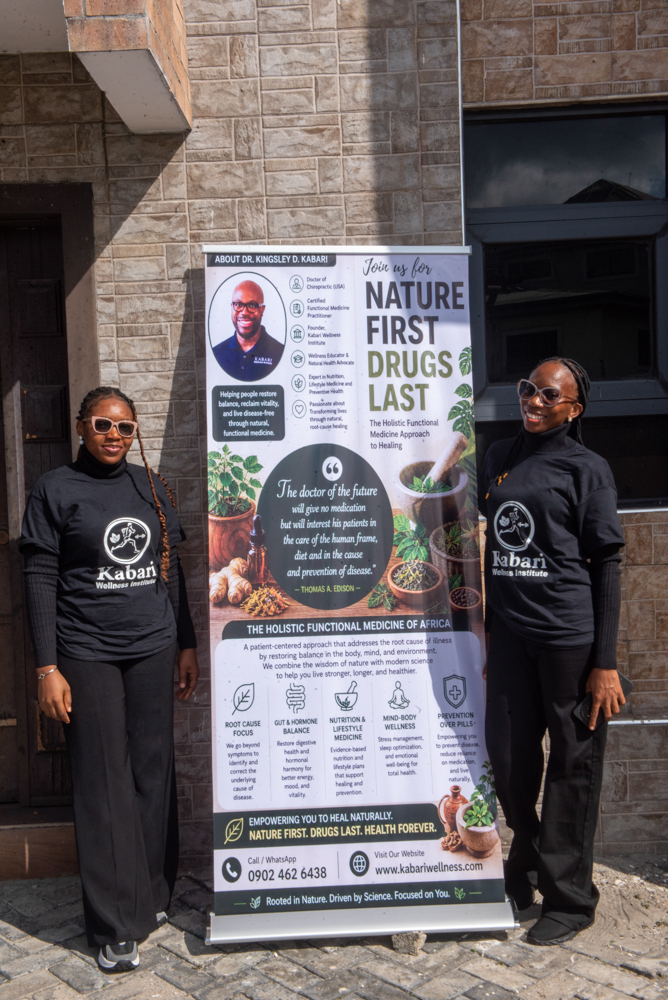
Nature First. Drug Last.
 
This does not mean “never use medication.” It means respecting the body’s physiology, identifying factors that may be interfering with normal function, and exploring safe, evidence-informed strategies to support health—while recognizing when conventional medical evaluation, medication, imaging, surgery, or emergency care is necessary.
 
The World Health Organization recognizes herbal medicines as preparations containing plants or plant materials and has increasingly emphasized the evidence-based, safe, and appropriate integration of traditional, complementary, and integrative medicine into healthcare systems. (World Health Organization)

What Is an Herbalist?

An herbalist is a practitioner who studies the traditional and contemporary uses of medicinal plants and botanical preparations.
 
Herbalism is much more than simply asking:
 
“What herb is good for this disease?”
 
A thoughtful herbal approach considers the individual as a whole.
 
At Kabari Wellness Institute, our approach asks broader questions:

Herbal Medicine Is Plant-Based Medicine

Plants contain numerous naturally occurring compounds, including polyphenols, flavonoids, terpenes, alkaloids, tannins, glycosides, essential oils, and many other phytochemicals.
 
These compounds can have biological activity within the human body.
 
This is one reason herbal medicine deserves both respect and caution.
 
Natural does not automatically mean harmless.
 
The National Center for Complementary and Integrative Health notes that herbs can have side effects and can interact with prescription and over-the-counter medications. (NCCIH)
 
At KWI, responsible herbal care therefore begins with the person—not the product.

Our Herbal Philosophy at Kabari Wellness Institute

We don’t want patients simply replacing one collection of pills with another collection of herbs.
 
Our objective is broader.
 
We seek to understand the terrain in which health or dysfunction is developing.
 
Instead of only asking:
 
“What can suppress this symptom?”
 
we also ask:
 
“What may be contributing to this problem, what physiological systems need attention, and what can we do to support healthier function?”
 
That distinction is central to our approach.
 
Herbs may be incorporated alongside nutrition, lifestyle modification, chiropractic care, functional health strategies, movement, stress management, and appropriate conventional medical care.

From Symptom Management to Whole-Person Assessment

Symptoms matter.
 
But symptoms are only one part of the clinical picture.
 
A person experiencing fatigue, for example, may have many possible contributing factors. Sleep quality, nutrition, anemia, thyroid disorders, medications, psychological stress, blood sugar regulation, cardiovascular disease, infection, hormonal factors, physical inactivity, and numerous other issues can contribute.
 
Therefore, simply recommending an “energy herb” without understanding the individual would not represent the KWI philosophy.
 
We believe in asking why.
 
That may involve reviewing health history, medications, diet, lifestyle, laboratory findings, physical findings, and other appropriate assessments.
 
When findings suggest that conventional medical investigation is necessary, referral or collaboration with an appropriate medical provider becomes part of responsible integrative care.

The KWI Herbal Assessment

Herbal recommendations may be considered within a comprehensive evaluation that can include:
 
Comprehensive Health History
 
We want to understand the patient’s health journey—not simply today’s complaint.
 
This may include previous diagnoses, surgeries, medications, supplements, dietary patterns, environmental exposures, sleep, stress, exercise, digestion, family history, and other relevant factors.
 
Medication & Supplement Review
 
This is particularly important.
 
Herbs contain biologically active compounds and may interact with medications. For example, certain herbs can influence drug metabolism or alter the effects of medications. NCCIH specifically advises patients to tell healthcare professionals about all herbs, medications, and supplements they take. (NCCIH)
 
Nutritional Assessment
 
Herbs should not substitute for good nutrition.
 
Food provides protein, fats, carbohydrates, minerals, vitamins, phytonutrients, fiber, and many other substances necessary for normal physiology.
 
Herbal medicine works best within a broader foundation of healthy nutrition.
 
Laboratory & Clinical Data
 
When available and appropriate, laboratory testing and conventional medical findings can provide valuable information.

Areas Where Herbal Medicine May Be Considered

Depending on the individual, their medications, medical history, and available evidence, botanical strategies may be considered as part of a broader wellness plan supporting areas such as:
 
Digestive Health
Botanicals have traditionally been used to support digestion, gastrointestinal comfort, and normal digestive function.
 
Stress & Adaptation
Certain herbs have traditionally been used to support resilience and the body’s response to everyday stress.
 
Sleep & Relaxation
Selected botanicals may complement sleep hygiene and other strategies designed to promote relaxation and healthy sleep patterns.
 
Metabolic Wellness
Nutrition, exercise, weight management, sleep, and lifestyle remain fundamental. Certain botanicals may sometimes be considered as adjuncts within a comprehensive metabolic health program.
 
Healthy Inflammatory Response
A number of culinary and medicinal plants contain compounds being studied for their effects on inflammatory pathways.
 
Women’s Health
Herbal strategies have long traditions of use in women’s wellness, but hormonal symptoms require careful evaluation because they can also indicate medical conditions requiring conventional diagnosis or treatment.
 
Men’s Health
Botanical and nutritional approaches may be incorporated into broader strategies addressing healthy aging, metabolic health, cardiovascular wellness, and overall vitality.
 
Immune Health
Nutrition, sleep, stress, exercise, and medical care remain important foundations. Selected botanicals may complement strategies intended to support normal immune function.
 
Healthy Aging
Plant-rich nutrition and carefully selected botanical compounds may form part of a comprehensive strategy focused on maintaining function, mobility, metabolic health, and quality of life.

Herbs Are Not a Replacement for Medical Care

This is one of the most important principles of the Kabari Wellness Institute approach.
 
Herbal medicine should not delay appropriate diagnosis or necessary treatment.
 
The FDA warns that dietary supplements can have strong biological effects, interact with medications, interfere with laboratory testing, or cause problems around surgery. It specifically cautions against taking supplements instead of prescribed medications without appropriate professional guidance. (U.S. Food and Drug Administration)
 
A responsible integrative approach recognizes the strengths and limitations of every healthcare discipline.
 
There are situations where lifestyle and natural approaches may play an important supportive role.
 
There are other situations where medications are essential.
 
And there are circumstances where imaging, specialist evaluation, hospitalization, surgery, or emergency medical treatment may be necessary.
 
Good integrative healthcare knows the difference.

Bridging Herbal Medicine and Conventional Medicine

At Kabari Wellness Institute, we do not believe patients should have to choose between two worlds.
 
It should not have to be:
  • Herbs OR medicine.
  • Natural OR scientific.
  • Traditional OR modern.

The better question is:

What combination of appropriate care best serves this individual?
 
Conventional medicine is exceptionally valuable in areas such as emergency medicine, infectious disease management, diagnostic imaging, surgery, trauma care, intensive care, and pharmaceutical treatment when medications are indicated.
 
Herbal and functional approaches may contribute another dimension—particularly around nutrition, lifestyle, wellness, prevention-oriented strategies, and individualized supportive care.
 
The World Health Organization’s current Traditional Medicine Strategy 2025–2034 similarly emphasizes strengthening the scientific evidence, improving safety and regulation, and appropriately integrating safe and effective traditional and complementary practices into healthcare systems. (World Health Organization)
 
This philosophy closely reflects what we mean at KWI when we talk about:
 
Bridging the Gap.

Herbal Medicine + Holistic Functional Medicine

Herbalism becomes especially powerful as a clinical framework when it is integrated rather than isolated.
 
At KWI, botanical strategies may complement our broader Holistic Functional Medicine approach.
 
We examine relationships among:
 
Nutrition → Digestion → Metabolism → Hormones → Immune Function → Stress → Sleep → Movement → Environment → Overall Health
 
Rather than treating these areas as completely separate compartments, we examine how they may influence one another.
 
A patient’s personalized wellness plan may therefore incorporate:

Herbal Medicine + Nutrition

We believe herbs should complement—not replace—healthy food.
 
A capsule cannot compensate for a lifestyle dominated by highly processed foods, inadequate protein, excessive sugar, poor hydration, inadequate fiber, insufficient micronutrients, poor sleep, chronic stress, and physical inactivity.
 
That is why our herbal programs may also include nutritional education.
 
We teach patients to understand that food itself contains powerful biological information.
 
Vegetables, fruits, herbs, spices, nuts, seeds, legumes, quality proteins, and other whole foods provide thousands of naturally occurring compounds that interact with human physiology.
 
The foundation remains:
 
Food First. Herbs When Appropriate. Supplements When Needed. Medication When Necessary.


Herbal Medicine + Chiropractic Institute

The body functions as an interconnected system.
 
Chiropractic care primarily addresses the neuromusculoskeletal system, mobility, biomechanics, and related functional concerns.
 
Herbal and nutritional strategies address different aspects of health.
 
When clinically appropriate, combining physical care, movement, nutrition, lifestyle strategies, and botanical support allows KWI to approach the patient from multiple perspectives rather than relying upon a single modality.


Herbal Medicine + Applied Kinesiology

Within our broader integrative model, Applied Kinesiology may be used as one component of the physical and functional assessment.
 
It is important to distinguish such complementary assessment approaches from conventional diagnostic testing.
 
Applied Kinesiology does not replace blood testing, imaging, pathology, medical diagnosis, or other clinically indicated conventional procedures.
 
When conventional testing is warranted, we encourage it.
 
Our goal is integration—not competition.

Herbal Medicine +Laboratory Testing

Modern laboratory testing provides an important bridge between traditional wellness approaches and contemporary healthcare.
 
Depending upon the individual and clinical circumstances, laboratory information may help us better understand areas such as metabolic health, nutritional status, blood glucose, liver and kidney function, thyroid physiology, blood-cell patterns, and other health markers.
 
This allows natural-health strategies to exist within a more informed clinical framework.
 
And importantly, laboratory findings can reveal situations in which botanical care alone would be inappropriate and further medical investigation is necessary.
 

The Importance of Herb-Drug Interactions

One of the greatest responsibilities in modern herbal practice is understanding that herbs and medications can interact.
 
For example, NCCIH identifies important potential interactions involving herbs such as St. John’s wort, goldenseal, concentrated green-tea preparations, and others. Particular caution is necessary for medications with a narrow therapeutic range, including drugs such as warfarin and digoxin. (NCCIH)
 
That is why patients should tell us about:

Quality Matters

Not every herbal product is equivalent.
 
The plant species, plant part, growing conditions, harvesting, processing, extraction method, concentration, storage, contamination testing, and manufacturing quality can all influence the final product.
 
This is another reason we discourage indiscriminate supplementation.
 
At Kabari Wellness Institute, our philosophy emphasizes purposeful selection rather than simply taking more products.
 
More is not always better.
 
The right strategy should be based upon the right person, the right reason, the right preparation, and appropriate monitoring.

Respecting African Herbal Knowledge While Advancing the Science

Africa possesses an extraordinary heritage of botanical and traditional healing knowledge.
 
Generations of healers and communities have developed extensive knowledge about indigenous plants and their traditional applications.
 
We believe this knowledge deserves respect.
 
But respect should also include scientific curiosity.
 
At Kabari Wellness Institute, our vision is not to discard traditional knowledge because it is old, nor accept every traditional claim simply because it has been passed down for generations.
 
Instead, we ask:
 
What did our ancestors observe?
 
What does modern research show?
 
What are the active compounds?
 
What is known about safety?
 
What dose or preparation has been studied?
 
Could it interact with medications?
 
Who should not take it?
 
How can we investigate it further?
 
This is how traditional knowledge and modern science can begin speaking the same language.
 

From Africa to the World

Many plants used traditionally across Africa remain scientifically underexplored.
 
That represents an enormous opportunity for researchers, healthcare professionals, universities, communities, and traditional practitioners.
 
The future should include greater botanical identification, phytochemical analysis, toxicology, clinical research, standardization, sustainable cultivation, quality control, and documentation of traditional knowledge.
 
The objective should not be to erase traditional medicine.
 
It should be to study it, preserve what is valuable, establish safety, identify what works, understand what does not, and responsibly integrate validated approaches into modern healthcare.
 
WHO’s current global strategy likewise emphasizes evidence, safety, regulation, sustainability, traditional knowledge, and appropriate healthcare integration. (World Health Organization)
 

What Makes the Kabari Wellness Institute Approach Different?

We are not simply an herbal shop.
 
We are not interested in matching every disease with a bottle.
 
And we do not believe every health problem can—or should—be treated naturally.
 
Our model is built around integration.
 
We bring together:
 
All centered around one person:
 
You.
 

We Educate Our Patients

One of our greatest goals is to help patients understand their own health.
 
We want you to understand:
 
Why am I taking this?
 
What is it intended to support?
 
How long should I take it?
 
Could it interact with my medications?
 
What lifestyle changes should accompany it?
 
How will we evaluate whether the strategy is helping?
 
When should it be discontinued?
 
When should I speak with my medical doctor?
 
When does a symptom require urgent medical attention?
 
An informed patient becomes an active participant in their healthcare.

Nature First Does Not Mean Medicine Never

Our philosophy deserves clarification.
 
Nature First. Drug Last.
 
does not mean:
 
“Medication is bad.”
 
It means we value prevention, nutrition, movement, sleep, stress management, healthy environments, and other foundational factors that help support health.
 
When medications are medically necessary, they should be respected.
 
When surgery is necessary, it should not be delayed because someone wants to try another supplement.
 
When emergency care is required, herbs are not emergency medicine.
 
When natural strategies can safely complement conventional treatment, however, we believe patients deserve the opportunity to discuss those options with knowledgeable healthcare professionals.
 
That is responsible integrative medicine.

The Future of Healthcare Is Collaborative

The future should not be a battle between conventional medicine and natural medicine.
 
The future is collaboration.
 
It is the physician understanding nutrition.
 
The herbal practitioner understanding pharmacology and interactions.
 
The chiropractor recognizing when medical referral is necessary.
 
The nutrition professional understanding laboratory data.
 
The patient having healthcare professionals who communicate rather than compete.
 
And every discipline recognizing both its strengths and its limitations.
 
That is the healthcare culture we are building at Kabari Wellness Institute.
 

The Kabari Wellness Institute Difference

We believe the body is remarkably adaptive.
 
Our responsibility is to identify obstacles to healthier function, strengthen the foundations of health, use natural interventions responsibly, monitor progress, and recognize when conventional medical care is necessary.
 
We don’t chase symptoms with herbs.
 
We investigate the person.
 
We don’t reject modern medicine.
 
We integrate with it.
 
We don’t use tradition as a substitute for science.
 
We allow tradition to inspire scientific investigation.
 
We don’t believe healthcare should be one-size-fits-all.
 
We believe it should be personalized, responsible, and patient-centered.

Kabari Wellness Institute

Where Traditional Wisdom Meets Modern Science
 
Nature First. Drug Last.
 
Whole Person. Individualized Care. Evidence-Informed Integration.
 
At Kabari Wellness Institute, herbal medicine is not about returning to the past.
 
It is about taking the wisdom of the past, examining it through the knowledge of the present, and using both to help build a better future for healthcare.
 
Traditional Wisdom + Modern Science + Conventional Medicine
 
One Patient. One Team. One Goal: Better Health.
 
Herbal and nutritional products are not substitutes for emergency care, medically necessary treatment, or appropriate diagnosis. Patients should inform their healthcare providers about all herbs, supplements, prescription medications, and over-the-counter medications they use because clinically important interactions can occur. (NCCIH)